

+918048059198

Currently it only shows your basic business info. Start adding relevant business details such as description, images and products or services to gain your customers attention by using Boost 360 android app / iOS App / web portal.

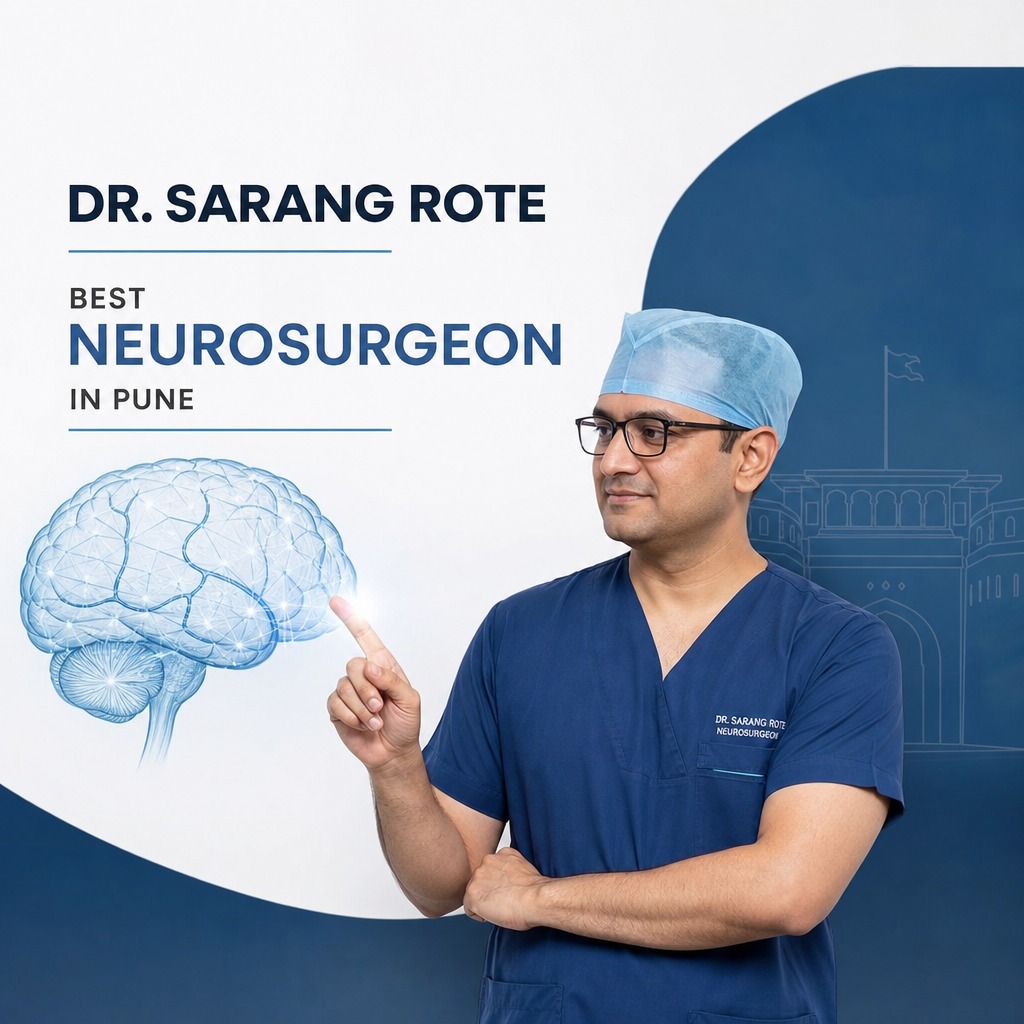
Searching for a “best neurosurgeon in Pune” is usually not a casual Google query. It often starts after a diagnosis—like stroke, a brain or spine tumor, head injury, or nerve/spinal compression—when you need clarity fast and want the safest, most effective treatment plan. This guide is designed to help you evaluate a neurosurgeon based on your specific problem, understand the types of treatments available, and know what questions to ask in your first consultation. (As local context, neurosurgical care in Pune may include both traditional microscopic surgery and minimally invasive neurointerventions, depending on the case.) --- 1) Start with the right match: Neurosurgery isn’t one-size-fits-all “Neurosurgeon” is a broad specialty. Within neurosurgery, doctors often focus on certain categories where outcomes depend on experience with specific procedures and decision-making. Common areas people seek include: A) Cerebrovascular conditions (brain blood vessels) Examples: - Stroke (ischemic or hemorrhagic) - Carotid artery disease (narrowing of arteries) - Aneurysms / AVMs (abnormal vessel connections) Treatment approach may involve: - Microsurgical techniques (in selected cases) - Neurointervention / endovascular procedures (catheter-based treatments) - Stroke-directed acute interventions (when time is critical) B) Skull base tumors and complex lesions These are tumors/lesions located near the base of the skull—often close to cranial nerves and critical pathways. Options may include: - Endoscopic skull base surgery (through natural corridors in the skull in selected cases) - Microsurgical approaches - Sometimes additional targeted treatments (e.g., tumor embolization in appropriate cases) C) Brain tumors / spine tumors Approaches depend on tumor type, location, and relation to functional brain/spinal tissue. D) Trauma (brain or spinal injury) Emergent decisions affect outcomes, including the timing of surgery and stabilization steps. Key takeaway: The “best neurosurgeon” for you is the one who frequently treats your exact condition category and can explain a tailored plan. --- 2) Understand the treatment choices: microscopic vs endoscopic vs neurointervention Many patients assume neurosurgery always means opening the skull. Modern neurosurgery can be more nuanced. Microscopic surgery - Uses an operating microscope for precision - Often preferred for complex tumor resections or vascular repairs where direct visualization is essential Endoscopic surgery - Uses an endoscope for enhanced visualization through smaller corridors - Common in skull base and selected spinal procedures Neurointervention (endovascular) - Catheter-based procedures performed through blood vessels - Frequently used in stroke interventions and many vascular problems If you have a vascular condition or stroke-related symptoms, ask whether your case is best handled by: - medical therapy alone, - endovascular intervention, - microsurgery, - or a combined strategy. --- 3) For stroke: what “best” really means is speed and expertise If you’re dealing with stroke symptoms, time is brain. Acute ischemic stroke This is stroke caused by a blocked blood vessel. In many settings, advanced options may include: - Thrombectomy (mechanical clot removal in selected patients) - Thrombolysis (clot-busting medication in selected patients) Hemorrhagic stroke This is bleeding into or around the brain. Management can include: - careful stabilization, - blood pressure and supportive care, - and in selected cases, surgical or endovascular interventions depending on cause and location. What to ask (stroke appointment or ER conversation): - “What type of stroke do I have—ischemic or hemorrhagic?” - “What is the exact location/cause based on imaging?” - “Am I within the time window for advanced intervention?” - “If a procedure is considered, what are the risks and expected benefits in my specific case?” --- 4) For tumors: the goal is not just removal—it’s function and control Tumor outcomes depend on: - tumor type (benign vs malignant; grade) - location (near critical brain functions?) - size and how it affects surrounding structures - whether complete removal is safe - whether adjunct therapies (radiation, other treatments) are needed Questions to ask for brain or skull base tumors - “What is the most likely diagnosis, and what imaging features support it?” - “Do you recommend surgery first, or biopsy first (if needed)?” - “Will the approach be microscopic, endoscopic, or both—why?” - “What risks are most relevant for this location?” (e.g., vision, facial nerve function, swallowing, balance) - “What will recovery typically look like, and what symptoms should trigger urgent review?” --- 5) For carotid artery disease and vascular problems: ask about procedure selection Conditions like carotid artery narrowing can increase stroke risk. Treatments may include: - Carotid endarterectomy (surgery to remove plaque) - Carotid stenting (endovascular option) - Medical therapy (depending on severity and risks) What to ask: - “How severe is my narrowing, and how is it measured?” - “What are my risks for surgery vs stenting in my specific health profile?” - “What imaging tests will you use to plan the procedure?” --- 6) How to evaluate a neurosurgeon in Pune (without feeling overwhelmed) You can assess quality without needing to be a medical expert by focusing on communication, case experience, and transparency. Look for: - Clear explanation of diagnosis + treatment rationale - Discussion of alternatives, not just one option - Evidence that the doctor treats your category frequently (stroke, skull base, vascular, spine) - Comfort answering questions and outlining risks honestly - A plan for pre-op evaluation and post-op follow-up Useful checklist for your appointment Bring: - MRI/CT reports (and scans if possible) - Blood test results - Current medications list - A short timeline of symptoms Ask: - “What are the goals of treatment in my case?” - “What procedure (if any) do you recommend, and why?” - “What are the main risks specific to my condition?” - “What happens if we do not do the procedure?” - “How often do you manage cases like mine?” --- 7) Red flags vs good signs Potential red flags - Overpromising (“guaranteed cure”) - Vague explanation of diagnosis or procedure - No discussion of risks/alternatives - Pressure to decide immediately without adequate information Positive signs - A structured, condition-specific plan - Willingness to coordinate with neurologists, radiologists, and rehab teams - Clarity on why a microscopic, endoscopic, or endovascular approach is chosen --- 8) Local context: why experience with multiple approaches matters in Pune In a city like Pune, patients often have access to advanced neurosurgical care—but the best fit still depends on the condition. For example: - Stroke patients benefit from clinicians who understand acute stroke workflows and advanced options. - Skull base tumor patients often benefit from surgeons comfortable with endoscopic techniques and complex anatomy. - Vascular cases may require either endovascular intervention, microsurgery, or a hybrid strategy depending on the anatomy and risks. So when you search for a “best neurosurgeon in Pune, ” it’s worth looking for someone whose practice aligns with your diagnosis category and who can competently discuss the most appropriate minimally invasive options. --- 9) If you’re still deciding: how to make the “best choice” today Here’s a simple decision framework: 1. Confirm your diagnosis category (stroke vs tumor vs vascular vs spine/trauma). 2. Match the doctor’s specialty depth to that category. 3. Ask the five key questions: goals, procedure choice, risks, alternatives, and what happens without intervention. 4. Choose the clinician who communicates clearly and offers a realistic plan. --- Quick note (safety) If you’re searching due to stroke symptoms (face drooping, arm weakness, speech difficulty, severe sudden headache, or sudden vision loss), seek emergency care immediately. Time-sensitive conditions should not wait for an appointment. If you tell me your condition (e.g., “TIA/stroke, ” “carotid narrowing, ” “skull base tumor, ” “pituitary tumor, ” “spine disc with weakness, ” etc.) and what reports/tests you have, I can suggest a focused list of questions tailored to that diagnosis—so your consultation is efficient and clear.


